Cart 0
 

Orcas Paley presents, October 15-31:

EMBLEMATIC

Our eighth annual group show explores the emblem as a vehicle for making meaning.

The word “emblem” derives from terms describing processes of inlay, stamping, and embossing, and the cultural arc emblems have traced over centuries takes them from the physical imprinting of symbols on tactile media to the conceptual imprinting of ideas on the mind.

Emblems appear on buildings, on bodies, and online. We tend to think of them as images that convey identification with an organization, a movement, a set of values, a family, or a brand. In Renaissance Europe, emblemata proliferated in print as combinations of image and text carrying a moral concept that inspires self-improvement.

What emblems share is a capacity to render the abstract concrete in a memorable way. Emblems condense their thematic material with a visual flair that befits their associations with learning, personal edification, and taking pride in one’s identity.
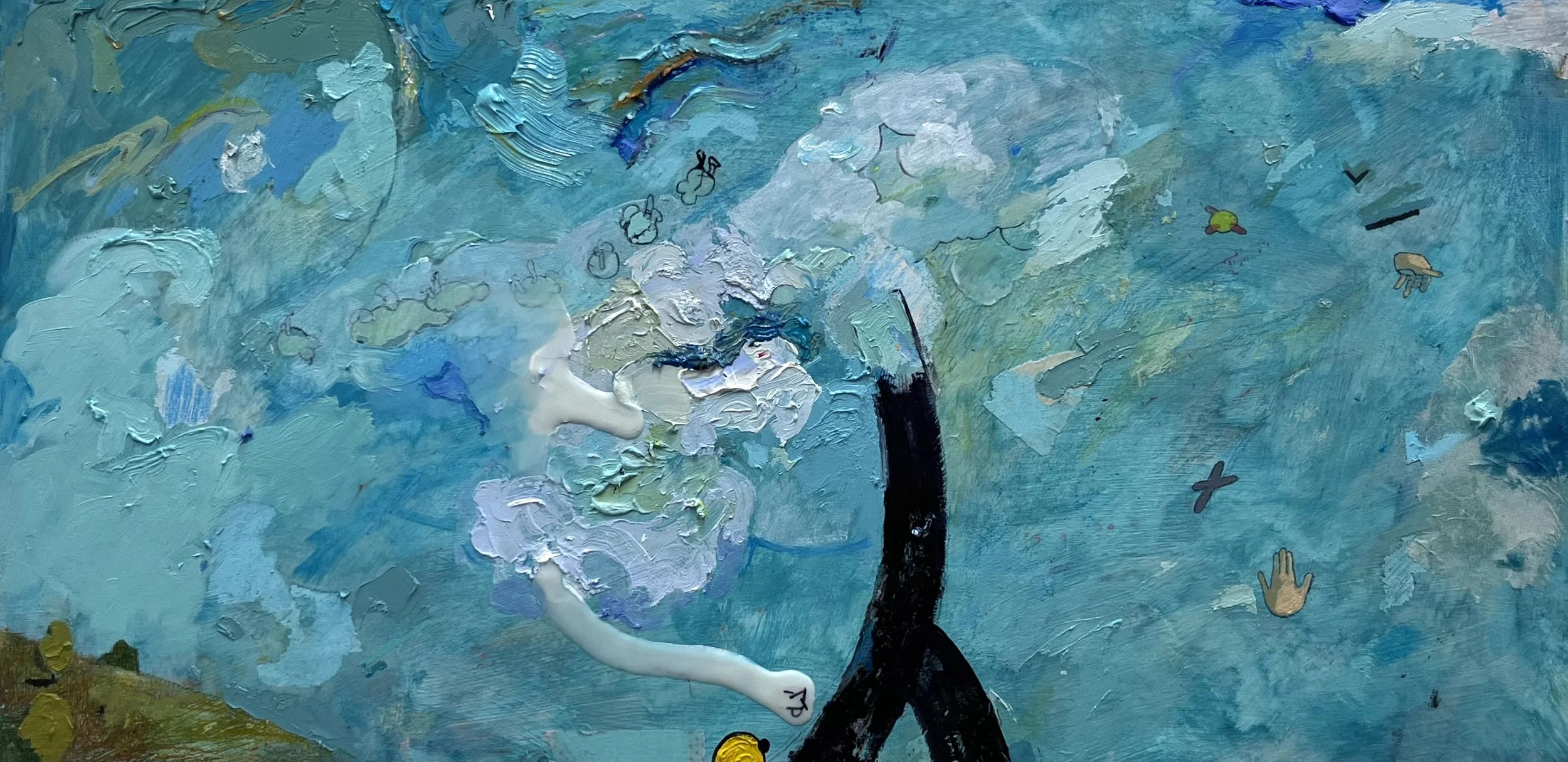
JoJo Hughes, Can’t Wait 2025
CATALOGUE

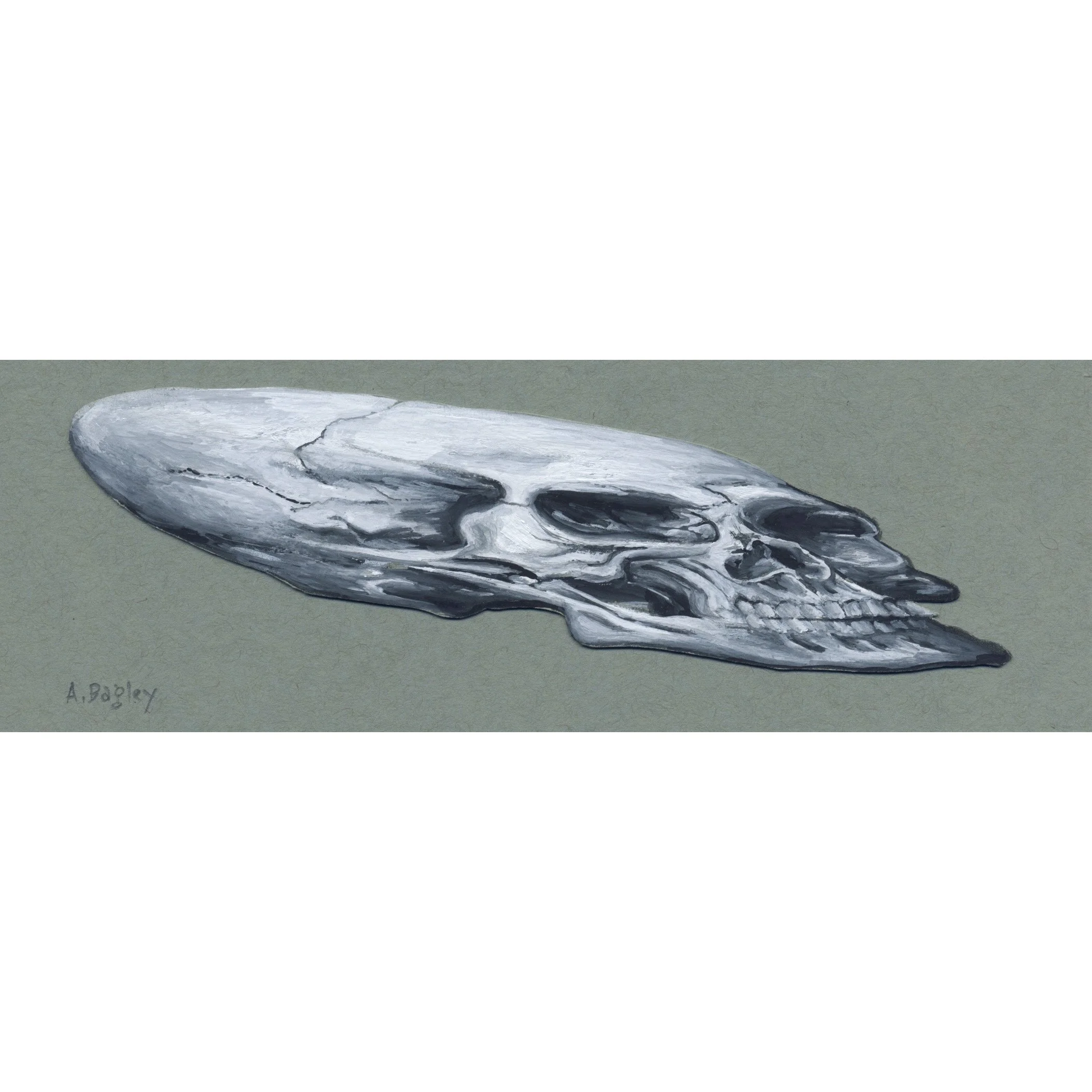
Aaron Bagley

Memento Mori (After Holbein), 2026

Gouache on paper, mounted on wood

2.75"x7"

$TBD

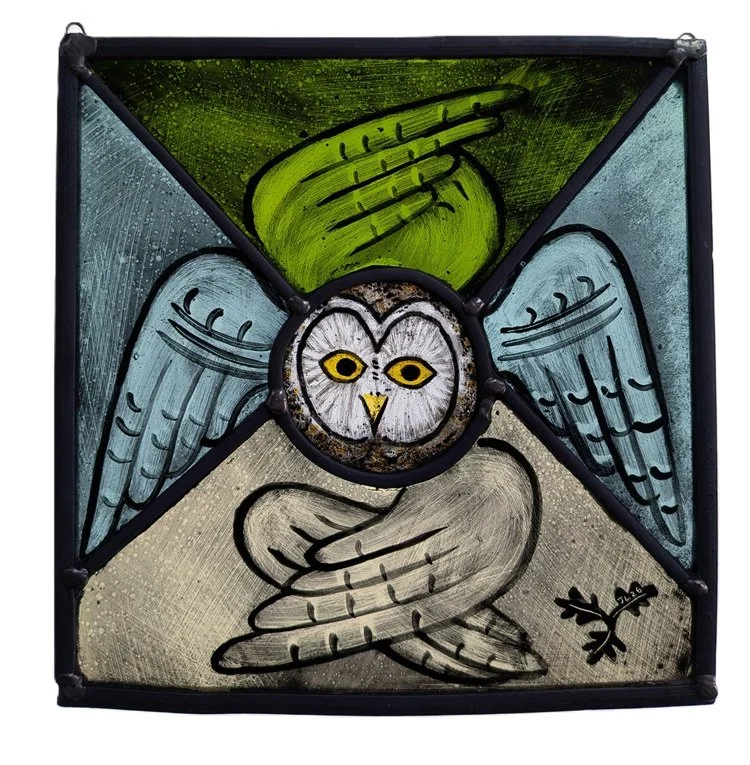
Jane Littlefield

Medieval Owl (Green), 2026

Stained glass, vitreous paint, silver stain

8” x 8”

$325

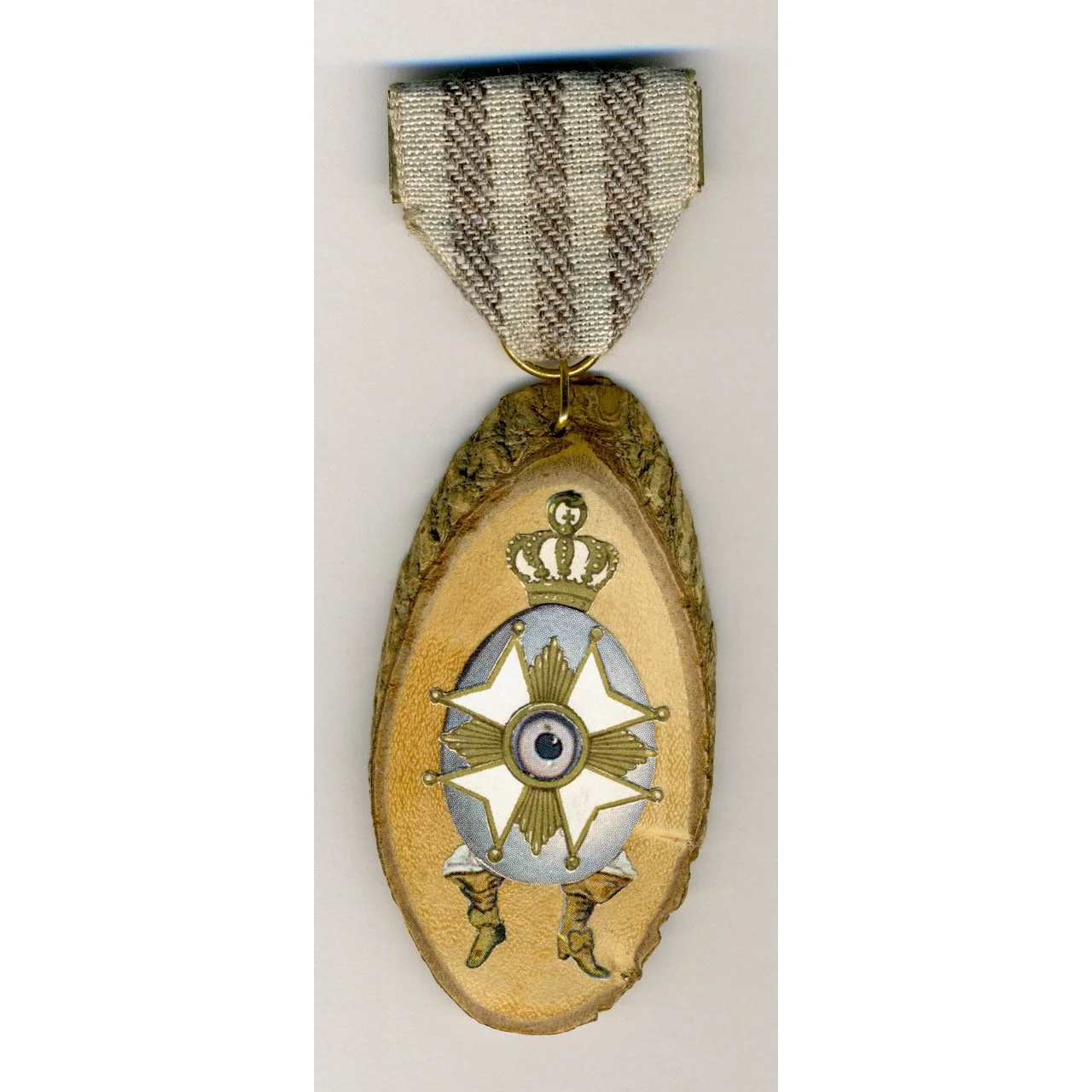
Eve Cohen

Egghead Emblems: Master of Ceremonies, 2026

Wood, paper, metal, ribbon

4.5” x 1.5” x .25”

$TBD

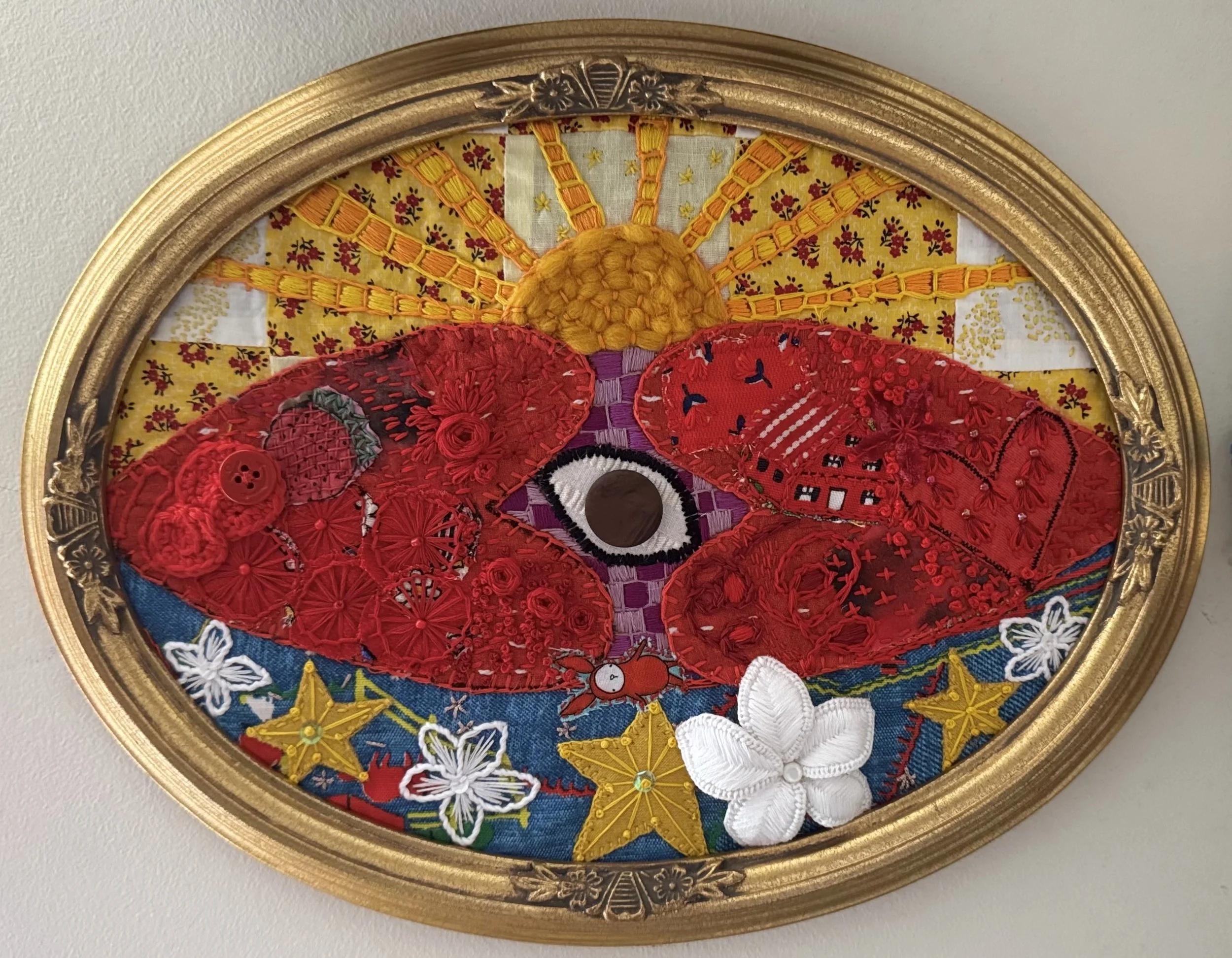
Aimee Hagedorn

Homeward Bound, 2026

Cotton, linen, wire

X” x X”

$XXX

Growing up Filipina in the Midwest meant learning to live between two worlds: constantly looking outward for clues about how to belong while remaining rooted in the foundation of an immigrant Filipino family. Although I never learned to speak the native language, the importance of family, tradition, and heritage was always impressed upon me.

This wall hanging explores that experience through color, pattern, and symbolism. Elements of the Philippine flag appear throughout the piece, with deep blue and red, the golden sun with eight rays, and three stars woven into a personal landscape of memory and identity. White flowers nod to the sampaguita, the national flower of the Philippines, while purple stitches represent ube, a familiar and beloved flavor that connects Filipinos and non-Filipinos alike.

At the center is an eye, intentionally tilted toward the outside. It symbolizes the constant pull I felt to look toward American culture for acceptance—to observe, adapt, and figure out where I belonged among my peers. Growing up Filipina in a small Ohio town, my identity was at times both a novelty and a burden.

Ultimately, this piece is less about choosing between two worlds and more about making peace with the space between them. Through layers of fabric, color, and stitch, I explore what it means to find belonging as a Filipina American woman while honoring the heritage, family, and upbringing that shaped me.

Feature 1

Phasellus sodales massa malesuada tellus fringilla, nec bibendum tellus blandit. Vestibulum ante ipsum primis in faucibus orci luctus et ultrices posuere cubilia Curae. Nullam sit amet nisi condimentum erat iaculis auctor.

Feature 2

Quisque congue porttitor ullamcorper. Mauris egestas at nibh nec finibus. Donec eget risus diam.

Feature 3

Class aptent taciti sociosqu ad litora torquent per conubia nostra, per inceptos himenaeos. Aliquam bibendum, turpis eu mattis iaculis, ex lorem mollis sem, ut sollicitudin risus orci quis tellus. Vivamus sit amet semper lacus, in mollis libero.

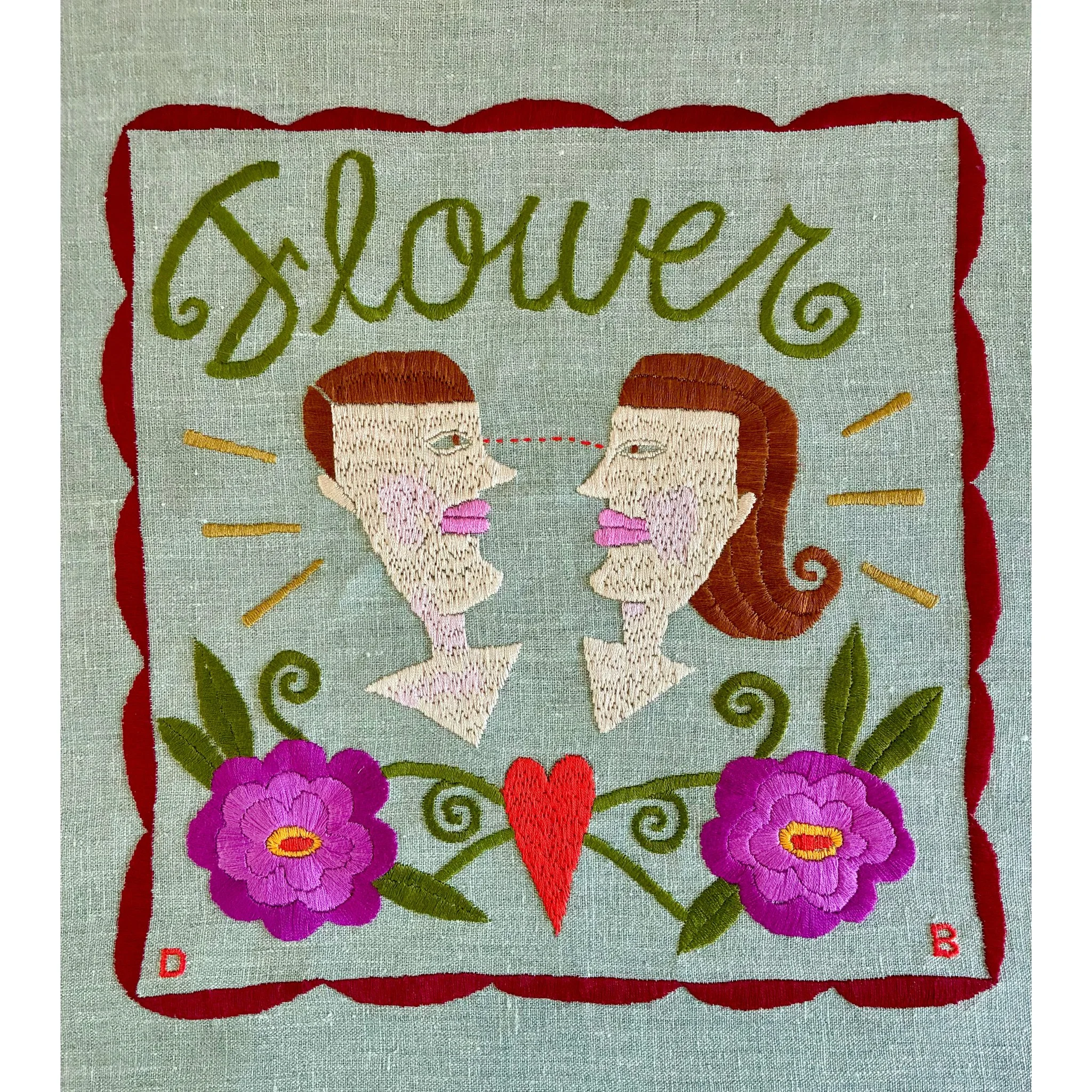
Deborah Baker

House, 2026

Hand embroidered cotton on linen

24” x 24”

$650.00

Coco Spadoni

Sight in Dark, 2026

Gouache on paper, mounted on wood

2.75"x7"

$500

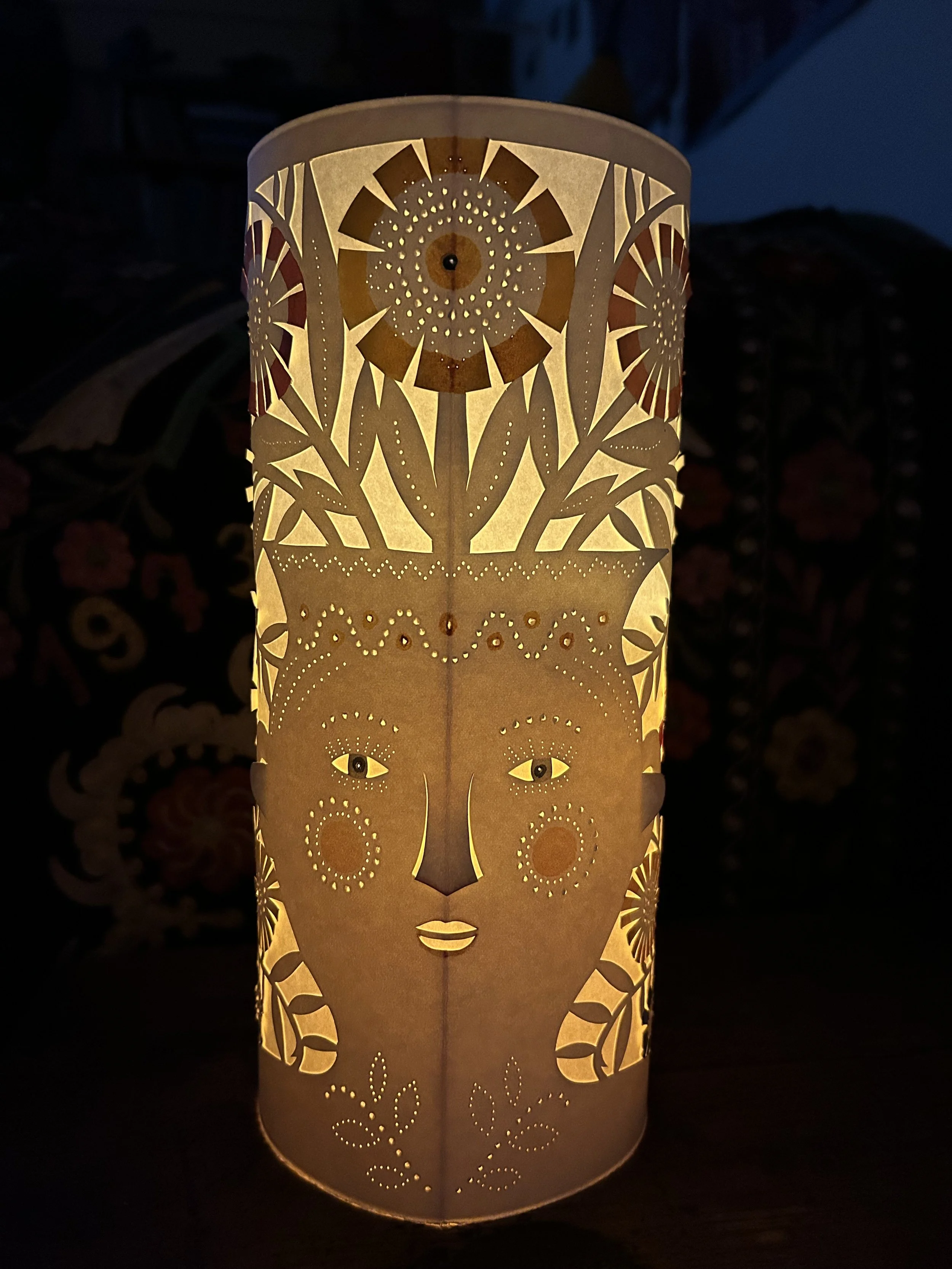
Julie Paschkis

I Get Ideas, 2026

Paper lantern

11.5” x 5”

$200